

Choosing the right food for your dog is one of the most important decisions you make as a pet parent. With so many feeding options available today—including dry food, wet food, fresh meals and raw diets—it can sometimes be difficult to know what is best for your dog.
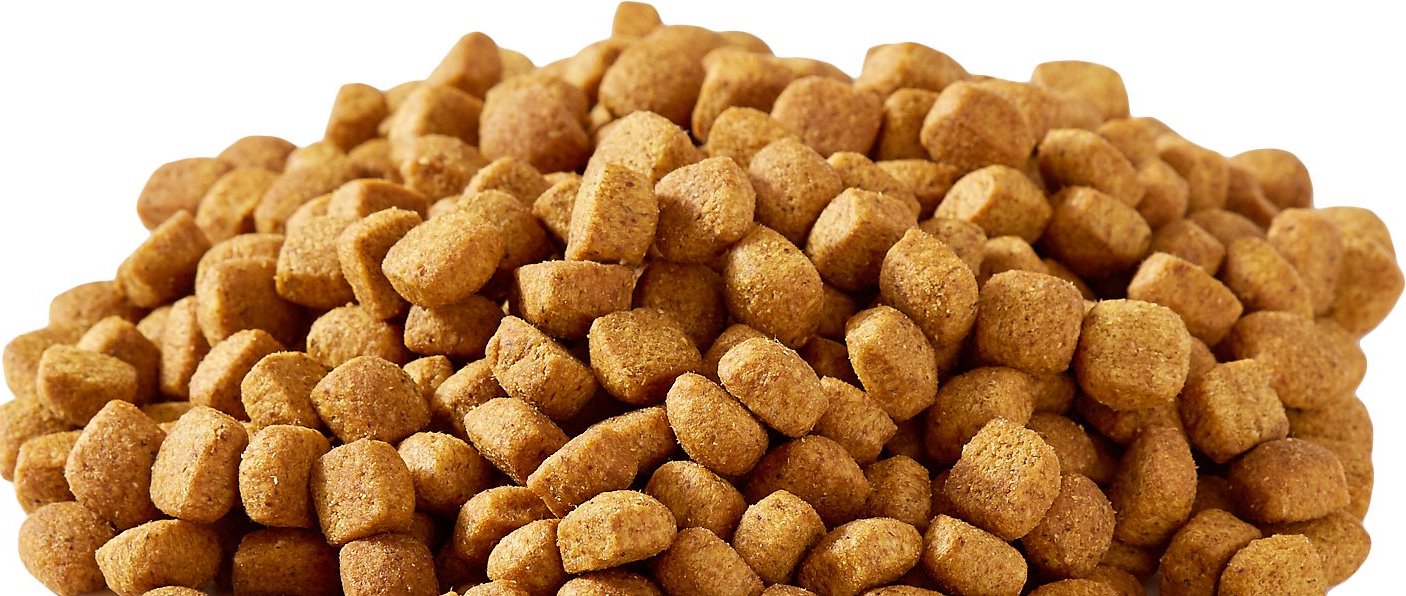
One option that has remained popular for generations is kibble, also known as dry dog food.
When properly formulated and made with quality ingredients, kibble can provide dogs with the essential nutrients they need for healthy growth, strong muscles, healthy skin and coat, good digestion and overall wellbeing.
But what exactly makes kibble a good choice? And how can you choose the right one for your dog?
Let’s explore the key benefits of kibble and what to look for when selecting a dry food for your best friend.
Key Takeaways
- Complete and balanced nutrition: A properly formulated kibble can provide the essential protein, fats, carbohydrates, vitamins and minerals dogs need every day.
- Convenient and consistent: Dry food is easy to measure, store and serve, making it simple to maintain a consistent feeding routine.
- Supports healthy growth and development: Puppy formulas can provide targeted nutrition for growing dogs, while adult and senior formulas can address changing nutritional needs.
- Crunchy texture: The texture of kibble can help reduce some food debris and plaque on the teeth, although it should not replace regular dental care.
- Long-lasting and easy to store: Kibble can be stored conveniently in an airtight container and is practical for households with one or multiple dogs.
- Different nutritional options: Kibble can be formulated for different life stages, sizes, activity levels and specific nutritional requirements.
- Easy portion control: Measuring dry food makes it easier to manage your dog’s daily calorie intake and maintain a healthy body condition.
Is Kibble a Healthy Choice for My Dog?
Yes. High-quality kibble can be a healthy and nutritionally complete choice for dogs when it is appropriately formulated and fed in the correct portions.
Modern dry dog foods are designed to provide a carefully balanced combination of nutrients. Depending on the formula, these can include animal proteins, carbohydrates, fats, essential fatty acids, vitamins, minerals and other functional nutrients.
The important point is that not all kibble is the same.
Different foods can vary considerably in their ingredients, nutritional composition, manufacturing processes and quality-control standards. When choosing a kibble, look beyond the packaging and consider the nutritional information, ingredients, feeding guidelines and the reputation of the manufacturer.
Most importantly, choose a food that is appropriate for your dog’s:
- Age
- Breed and size
- Activity level
- Body condition
- Individual nutritional needs
A puppy, for example, has very different nutritional requirements from a mature adult dog. Similarly, an active working dog may require a different energy intake from a less active companion dog.
Quality Ingredients Matter
A good dog food should provide meaningful sources of high-quality nutrients rather than simply focusing on one ingredient or marketing claim.
Protein is particularly important because it provides amino acids needed for muscle development, tissue maintenance and many essential functions within the body.
Depending on the formula, quality protein sources may include poultry, meat, fish or other carefully selected animal and plant ingredients.
At Sigma Pet Care, we focus on creating nutritious, delicious pet food with carefully selected ingredients and controlled manufacturing processes to help give dogs the nutrition they need at every stage of life.
Why Do Pet Parents Choose Kibble?
Kibble offers several practical benefits that make it a popular choice for households around the world.
1. Complete and Balanced Nutrition
One of the biggest advantages of a properly formulated dry dog food is convenience without compromising nutritional balance.
A complete and balanced formula is designed to provide the nutrients a dog needs in the right proportions when fed according to the recommended guidelines.
This means pet parents don’t have to prepare a different combination of ingredients for every meal.
A well-formulated kibble can provide a reliable nutritional foundation day after day.
2. Convenient Feeding
Life can be busy, and kibble makes feeding your dog simple.
It can be:
- Easily measured
- Quickly served
- Convenient to transport
- Stored for extended periods when properly sealed
- Used for feeding at home or while travelling
This makes dry food particularly practical for families, busy professionals and households with multiple pets.
3. Easy Portion Control
Maintaining a healthy weight is an important part of responsible pet care.
Because kibble can be measured accurately, it makes it easier to control how much your dog eats each day.
Follow the feeding guidelines on the packaging as a starting point and adjust portions according to your dog’s age, activity level, body condition and individual needs.
Remember that feeding requirements can vary considerably between dogs of the same breed and size.
4. Supports Different Life Stages
Dogs’ nutritional needs change throughout their lives.
That’s why quality dog food is available in formulas designed for different life stages, including:
Puppies
Growing puppies need nutrition that supports healthy bones, muscles, brain development and overall growth.
Adult Dogs
Adult dogs need a balanced diet that helps maintain healthy muscles, energy levels, skin, coat and body condition.
Senior Dogs
Older dogs may benefit from nutrition designed around their changing energy requirements and nutritional needs.
Choosing a formula appropriate for your dog’s life stage is an important part of responsible feeding.
Can Kibble Support Dental Health?
The crunchy texture of kibble can provide some mechanical cleaning action as a dog chews.
This may help reduce food debris and some plaque accumulation compared with eating only soft foods.
However, ordinary kibble should not be considered a substitute for proper dental care.
Regular tooth brushing, appropriate dental products and veterinary dental examinations remain important parts of maintaining your dog’s oral health.
Some specially formulated dental diets are also designed specifically to support oral hygiene.
Can Kibble Be Part of a Varied Diet?
Absolutely.
Many dogs enjoy a combination of dry and wet food, and some pet parents choose to add occasional toppers or treats to make mealtimes more exciting.
Kibble can remain the nutritional foundation while appropriate additions provide variety.
For example, you may choose to combine dry food with:
- Complete and balanced wet food
- Appropriate dog treats
- Veterinary-approved food toppers
- Small amounts of suitable fresh foods
However, extras should be given responsibly.
Treats, toppers and other additional foods should not displace the balanced nutrition your dog receives from their main diet. If your dog has a medical condition, food sensitivity or special nutritional requirement, consult your veterinarian before making significant dietary changes.
Introducing New Food
Dogs can have sensitive digestive systems, particularly when their diet changes suddenly.
When switching to a new kibble, gradually transition your dog from their previous food to the new food over several days.
A gradual transition can help reduce the likelihood of digestive upset and allows your dog to adjust to the new taste and nutritional composition.
Kibble for Puppies
Puppies have some of the highest nutritional demands of any stage of a dog’s life.
Their bodies are growing rapidly, and they need appropriate nutrition to support healthy development.
A puppy-specific kibble should be formulated to provide the appropriate balance of nutrients for growth.
When choosing puppy food, consider:
- Your puppy’s breed and expected adult size
- Their age
- Their activity level
- The quality and nutritional profile of the food
- Feeding recommendations
- Your veterinarian’s advice
For large and giant breeds, nutritional management during growth is particularly important, so discuss the most appropriate food and feeding quantities with your veterinarian.
Kibble for Active Dogs
Highly active dogs may have greater energy requirements than dogs with a more sedentary lifestyle.
Working dogs, sporting dogs and dogs that spend significant time exercising may benefit from formulas with nutritional profiles suited to their activity levels.
However, more food isn’t always better.
Overfeeding can contribute to excessive weight gain, which can place unnecessary stress on joints and affect your dog’s overall health.
Monitor your dog’s body condition and adjust portions as necessary.
How to Choose the Right Kibble
With so many products available, choosing a dog food can feel overwhelming.
Start by asking these questions:
Is it appropriate for my dog’s life stage?
Choose puppy, adult or senior nutrition according to your dog’s age and developmental stage.
Is it complete and balanced?
Look for food that is formulated to provide complete nutrition when fed as directed.
Does it suit my dog’s size and lifestyle?
Small, medium and large dogs can have different nutritional requirements. Activity level also matters.
Is the manufacturer trustworthy?
Look for manufacturers that follow appropriate food-safety, quality-control and manufacturing practices.
Does my dog enjoy it and thrive on it?
Ultimately, your dog’s response matters. A suitable food should be well accepted and support good body condition, healthy skin and coat, normal digestion and good energy levels.
How Much Kibble Should I Feed My Dog?
The correct amount depends on several factors, including:
- Age
- Weight
- Breed and size
- Activity level
- Body condition
- The energy density of the food
Always start with the feeding guidelines provided on the product packaging.
These are recommendations rather than absolute rules. Your dog’s actual needs may be higher or lower depending on their lifestyle and metabolism.
Regularly monitor your dog’s body condition and speak with your veterinarian if you’re unsure about feeding quantities.
Kibble: A Practical Foundation for Healthy Feeding
Kibble can offer an excellent combination of nutrition, convenience, consistency and value, making it a practical choice for many dogs and their families.
The key is not simply choosing “kibble” but choosing a well-formulated, quality dry food that is appropriate for your dog’s individual needs.
At Sigma Pet Care, our goal is to make quality pet nutrition accessible to pet parents while giving dogs meals they genuinely enjoy.
From growing puppies to active adults and senior companions, our range is designed to support dogs through every stage of their lives.
Because every meal is more than just food—it’s part of a healthier, happier life.
Frequently Asked Questions
Is kibble good for dogs every day?
Yes. A complete and balanced kibble formulated for your dog’s life stage can be fed as their primary diet every day, provided it is given in appropriate quantities.
Is dry food better than wet food?
Neither is universally better. Both dry and wet foods can have a place in a healthy diet. The right choice depends on your dog’s nutritional needs, preferences, health and your feeding routine.
Can puppies eat kibble?
Yes. Puppies can eat specially formulated puppy kibble once they are ready for solid food. Choose a formula designed specifically for growth and follow the recommended feeding guidelines.
Does kibble clean dogs’ teeth?
The crunchy texture of kibble can provide some mechanical cleaning as dogs chew, but ordinary kibble does not replace tooth brushing, dental care or professional veterinary examinations.
Can I mix kibble with wet food?
Yes. Many dogs enjoy a combination of dry and wet food. Just remember to account for the calories from both foods when determining your dog’s total daily intake.
Can I give my dog treats with kibble?
Yes. Treats can be used for training and enrichment, but they should be given in moderation and should not replace your dog’s nutritionally complete main meals.
How should I store kibble?
Store dry food in a cool, dry place in a clean, airtight container. Always follow the storage instructions on the packaging and use the food within the recommended period after opening.
Give Your Dog Nutrition You Can Trust
Your dog depends on you for every meal, and choosing the right food is one of the simplest ways to support their health and wellbeing.
Choose a nutritionally complete food, feed the right amount, provide plenty of fresh water and combine good nutrition with exercise, preventive healthcare, love and attention.
Healthy nutrition. Happy dogs. Happier families.