
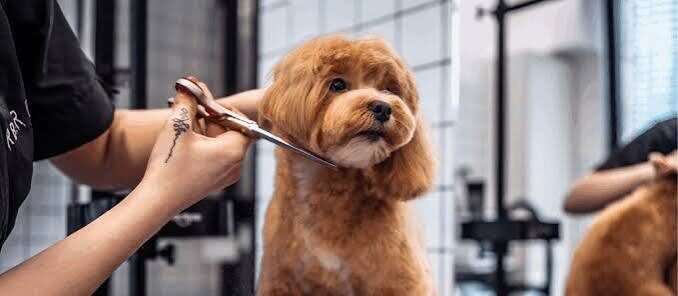

A well-groomed dog is more than just a good-looking dog. Regular grooming plays an important role in your dog’s overall health, comfort, hygiene, and happiness. From brushing their coat and trimming their nails to cleaning their ears and caring for their teeth, simple grooming habits can help you spot potential health problems early and keep your furry companion feeling their best.
Whether you have a short-haired puppy, a long-haired adult dog, or a breed with a thick double coat, establishing a consistent grooming routine is one of the best things you can do as a pet parent.
In this guide, we’ll cover the essential dog grooming tips every pet parent should know.
Why Is Regular Grooming Important for Dogs?
Grooming is not simply about making your dog look neat. It is an important part of responsible pet care.
Regular grooming can help:
- Keep your dog’s coat clean and free from dirt and debris
- Reduce excessive shedding around your home
- Prevent mats and tangles
- Support healthy skin
- Reduce unpleasant odours
- Keep nails at a healthy length
- Prevent the buildup of wax and debris in the ears
- Support good dental hygiene
- Help you identify unusual lumps, skin irritation, parasites, or injuries
- Strengthen the bond between you and your dog
Perhaps most importantly, grooming gives you an opportunity to regularly check your dog from head to tail.
1. Brush Your Dog Regularly
Brushing is one of the most important parts of your dog’s grooming routine.
When you brush your dog, you remove loose hair, dirt, dead skin, and debris from the coat. Regular brushing can also help distribute natural oils throughout the coat, contributing to healthier-looking skin and fur.
How often should you brush your dog?
The ideal frequency depends on your dog’s coat type.
Short-haired dogs:
Usually benefit from brushing once or twice a week.
Medium-haired dogs:
May need brushing several times a week.
Long-haired or curly-coated dogs:
Often require daily brushing to prevent tangles and mats.
Dogs that shed heavily may also benefit from more frequent brushing during shedding seasons.
Choose the right brush
Different coats require different grooming tools. A soft bristle brush may work well for some short-haired dogs, while slicker brushes, undercoat rakes, or grooming combs may be more suitable for dogs with longer or thicker coats.
If you’re unsure which brush to use, ask a professional groomer or veterinarian for advice based on your dog’s coat.
Never force through severe mats
Mats can pull on the skin and become uncomfortable or even painful. If your dog’s coat has severe matting, avoid aggressively pulling or cutting close to the skin yourself. A professional groomer can safely assess the situation.
2. Bathe Your Dog When Needed
Dogs don’t necessarily need frequent baths. Over-bathing can remove natural oils from the skin and may contribute to dryness or irritation in some dogs.
Instead, bathe your dog when they are visibly dirty, have an unpleasant odour, or when bathing is recommended as part of their grooming or veterinary care routine.
Use dog-friendly shampoo
Always use a shampoo specifically formulated for dogs. Human shampoos can be unsuitable for a dog’s skin because dogs have different skin characteristics and sensitivities.
Look for a gentle dog shampoo appropriate for your dog’s coat and skin condition.
Tips for a stress-free bath
- Brush your dog before bathing to remove loose hair and tangles.
- Use comfortably warm water.
- Wet the coat thoroughly.
- Apply dog shampoo and gently massage it through the coat.
- Avoid getting shampoo directly into the eyes and ears.
- Rinse thoroughly until no shampoo remains.
- Dry your dog properly with a towel.
- Keep your dog somewhere warm until they are completely dry.
A treat after grooming can also help your dog associate bath time with a positive experience.
3. Keep Your Dog’s Nails Trimmed
Long nails aren’t just a cosmetic issue. Overgrown nails can affect the way a dog walks and may become uncomfortable or prone to splitting.
Make nail checks part of your regular grooming routine.
How often should you trim your dog’s nails?
There isn’t one schedule that works for every dog. Dogs that regularly walk on hard surfaces may naturally wear their nails down more than dogs that spend most of their time indoors or on softer surfaces.
Check the nails regularly and trim them when they become too long.
If you’re uncomfortable trimming nails yourself, a professional groomer or veterinarian can do it safely.
Introduce nail trimming gradually
For dogs that dislike nail clipping, don’t try to complete the entire process immediately.
Start by touching and handling their paws gently. Reward calm behaviour. Gradually introduce the nail clippers or grinder before attempting a full trim.
Patience is often more effective than forcing the process.
4. Don’t Forget Your Dog’s Ears
A dog’s ears can collect wax, dirt, moisture, and debris. Dogs with floppy ears or certain ear structures may require particularly careful monitoring.
Check your dog’s ears regularly for:
- Excessive wax
- Unusual odour
- Redness
- Swelling
- Discharge
- Excessive scratching
- Frequent head shaking
These can indicate an ear problem that requires veterinary attention.
Clean carefully
Only clean your dog’s ears when necessary and use a veterinary-approved ear-cleaning product. Never insert cotton buds or other objects deep into the ear canal.
If the ear looks painful, inflamed, or has significant discharge, speak to your veterinarian rather than attempting to treat it yourself.
5. Make Dental Care Part of Grooming
Your dog’s grooming routine shouldn’t stop at their coat.
Dental hygiene is an important part of overall pet care. Plaque and tartar can build up on the teeth, contributing to bad breath and dental disease.
Ideally, introduce tooth brushing while your dog is young, but older dogs can also learn with gradual training.
Tips for brushing your dog’s teeth
- Use a toothbrush designed for dogs.
- Use dog-specific toothpaste.
- Start slowly and allow your dog to become comfortable with the process.
- Begin by gently touching the teeth and gums.
- Gradually introduce the toothbrush.
- Reward calm behaviour.
- Aim for consistency rather than perfection.
Never use human toothpaste for your dog unless specifically advised by a veterinarian, as some ingredients can be harmful to dogs.
6. Check Your Dog’s Skin During Grooming
One of the biggest benefits of regular grooming is that it gives you a chance to examine your dog’s skin.
While brushing or bathing, look for:
- Red or irritated skin
- Unusual bumps or lumps
- Dry or flaky skin
- Hair loss
- Scabs
- Parasites
- Persistent scratching
- Areas of tenderness
- Changes in skin colour or texture
Not every skin change is serious, but unusual or persistent changes should be discussed with your veterinarian.
Early detection can make many problems easier to manage.
7. Check for Fleas and Ticks
Dogs that spend time outdoors can be exposed to fleas and ticks.
During grooming, particularly after outdoor activities, inspect areas such as:
- Around the ears
- Under the collar
- Between the toes
- Around the neck
- Under the legs
- Around the tail
- Along the belly
Your veterinarian can recommend an appropriate parasite-prevention programme based on your dog’s lifestyle and local risks.
Don’t rely on grooming alone for parasite prevention. Regular preventive care is an important part of responsible dog ownership.
8. Keep the Hair Around the Eyes Clean
Some dogs, particularly those with longer facial hair, may develop tear staining or collect debris around their eyes.
Gently wipe away surface debris using a clean, damp cloth or a suitable pet-safe product.
Avoid cutting hair very close to the eyes unless you are experienced or have professional assistance. The area is delicate, and accidental injury can occur.
If you notice excessive tearing, redness, swelling, discharge, squinting, or obvious discomfort, consult your veterinarian.
9. Pay Attention to Your Dog’s Paws
Your dog’s paws go through a lot every day.
Check the paw pads and the spaces between the toes for:
- Dirt
- Grass seeds
- Small stones
- Cuts
- Cracks
- Swelling
- Irritation
- Foreign objects
Keeping the hair around the paws neatly trimmed, when appropriate for your dog’s coat, can also help reduce the accumulation of dirt and debris.
After walks, especially on dirty or muddy surfaces, wiping your dog’s paws can help keep both your dog and your home cleaner.
10. Keep the Tail and Rear Area Clean
Long-haired dogs can sometimes accumulate dirt around the rear and tail area.
Regular brushing and appropriate trimming can help maintain hygiene, particularly for dogs with longer coats.
If your dog frequently has faecal matter stuck to the fur, persistent irritation, or unusual discharge around the rear, speak to your veterinarian.
11. Groom Puppies Slowly and Positively
One of the best things you can do for a puppy is teach them that grooming doesn’t have to be frightening.
Introduce grooming gradually.
Start by gently touching their:
- Paws
- Ears
- Face
- Tail
- Belly
- Legs
Give praise and rewards for calm behaviour.
Later, introduce the brush, nail clippers, toothbrush, and bathing routine.
The goal isn’t to finish an entire grooming session immediately. The goal is to teach your puppy that being handled is safe and normal.
Make grooming a positive experience
Short, calm sessions are often better than long sessions that leave your dog stressed.
Use praise, patience, and appropriate treats to reward good behaviour.
Never punish your dog for being nervous during grooming.
12. Don’t Overlook Your Dog’s Grooming Tools
Your grooming equipment needs cleaning too.
Brushes, combs, towels, nail clippers, and other reusable grooming tools can accumulate hair, dirt, and microorganisms.
Clean your grooming equipment regularly and keep it stored in a dry, clean place.
It’s also a good idea to keep separate towels and grooming equipment for your pets where appropriate.
13. Know When to Visit a Professional Groomer
Some grooming tasks are easy to manage at home, while others are better left to professionals.
Consider professional grooming if your dog:
- Has a very long or complicated coat
- Develops severe matting
- Becomes extremely anxious during grooming
- Requires specialised trimming
- Has difficult-to-manage nails
- Needs breed-specific grooming
- Cannot safely be groomed at home
A professional groomer can also help you understand how to maintain your dog’s coat between appointments.
14. Grooming Is Also a Health Check
One of the most overlooked benefits of grooming is the opportunity to notice changes in your dog.
Because you’re regularly touching and examining your dog, you may notice something that wasn’t there before.
For example, you might discover:
- A new lump
- A sore area
- A change in body condition
- An unusual smell
- A skin problem
- A broken nail
- A tick
- Changes around the mouth or ears
Grooming doesn’t replace veterinary care, but it can help you recognise when your dog may need professional attention.
A Simple Dog Grooming Routine
You don’t need to turn grooming into a complicated process.
A simple routine could look like this:
Daily:
Quickly check your dog’s eyes, coat, paws, and general appearance.
Several times a week:
Brush the coat according to your dog’s hair type.
Regularly:
Check the ears, teeth, nails, paws, skin, and coat.
When necessary:
Give your dog a bath using an appropriate dog shampoo.
Periodically:
Arrange professional grooming if your dog’s coat or breed requires it.
As recommended by your veterinarian:
Maintain dental care and parasite prevention.
Grooming Tips for a Happier Dog
The best grooming routine is one that your dog can comfortably tolerate and that you can maintain consistently.
Remember these simple principles:
Start early.
The earlier your dog becomes comfortable with grooming, the easier the process can become.
Be gentle.
Avoid pulling, rushing, or forcing your dog unnecessarily.
Keep sessions positive.
Praise and reward calm behaviour.
Use the right products.
Choose grooming products specifically designed for dogs.
Know your dog’s coat.
Different breeds and coat types have very different grooming needs.
Check your dog regularly.
Grooming is an opportunity to notice changes early.
Ask for professional help when needed.
There’s no need to handle complicated grooming tasks alone.
Final Thoughts
Grooming is one of the simplest ways to contribute to your dog’s health, comfort, and happiness. Whether you’re brushing their coat after a long day outdoors, cleaning their paws, checking their ears, or simply giving them a gentle brush, these small moments can make a big difference.
More importantly, grooming creates regular one-on-one time between you and your dog. Over time, your dog can learn to associate grooming with attention, affection, praise, and rewards.
A clean coat is wonderful, but a dog that feels comfortable, cared for, and loved is even better.
Healthy grooming. Good nutrition. Plenty of love. That’s the foundation of a happier dog.