
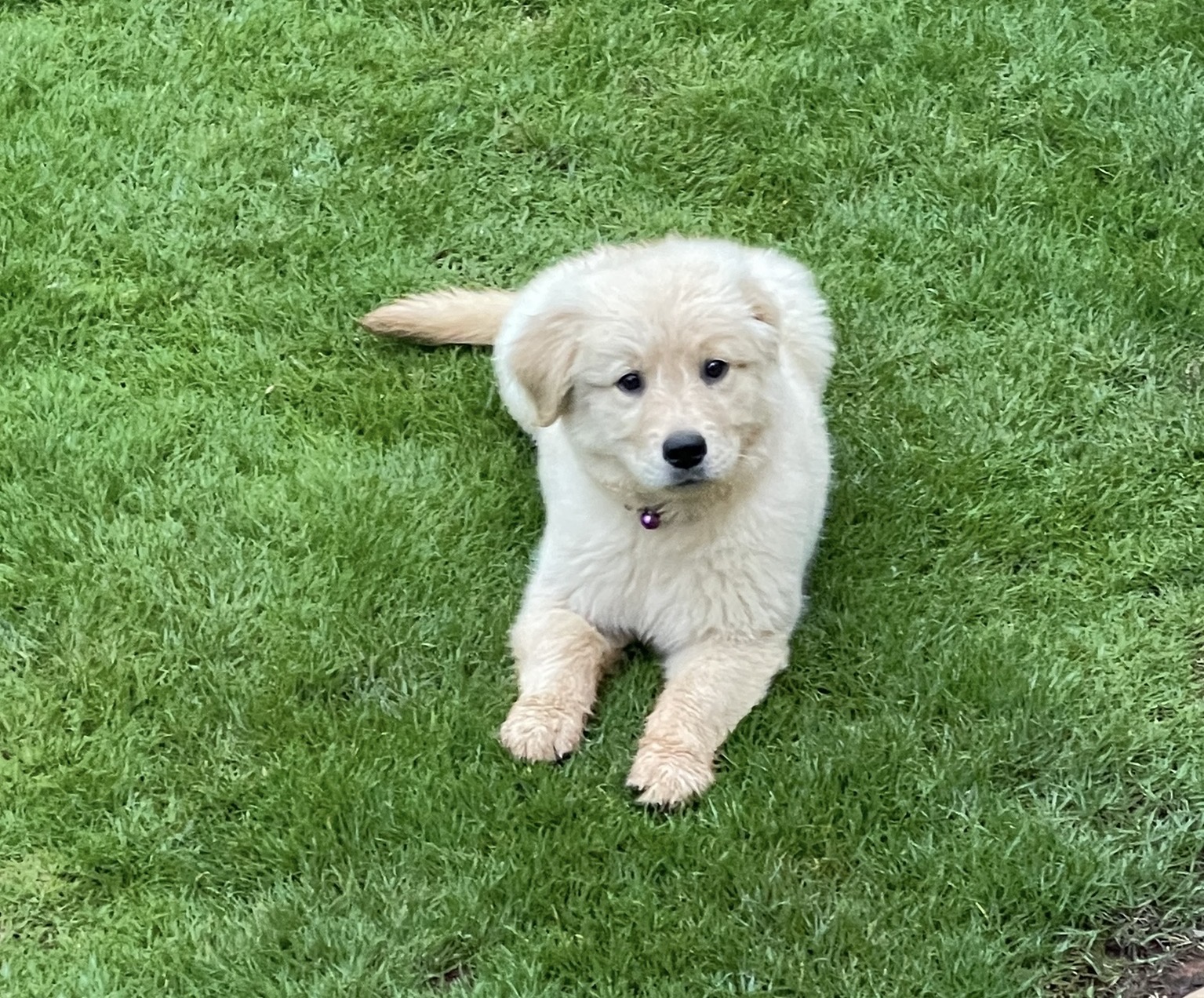

Bringing home a new puppy is an exciting experience. From their playful personality and endless curiosity to those first little adventures together, welcoming a puppy into your home is the beginning of a wonderful relationship.
But caring for a puppy involves much more than cuddles and playtime. Puppies need the right nutrition, plenty of rest, proper hygiene, regular exercise, training, socialization and veterinary care to grow into healthy, confident adult dogs.
The first few months are especially important. Puppies are learning rapidly and developing habits that can stay with them throughout their lives. Establishing a consistent routine from the beginning can help your puppy feel secure while making life easier for the whole family.
In this guide, we’ll cover the essentials of puppy care, including nutrition, feeding, toilet training, grooming, exercise, socialization, vaccinations, veterinary care and the supplies you’ll need at home.
Important: Every puppy is different. Breed, size, age, activity level and health can all affect their individual needs. Always consult your veterinarian for advice specific to your puppy.
Puppy Care at a Glance
- Choose a complete and balanced puppy food appropriate for your puppy’s age, breed and expected adult size.
- Provide fresh, clean drinking water throughout the day.
- Establish a consistent routine for feeding, sleeping, playing and toilet breaks.
- Begin gentle socialization early by introducing your puppy to different people, sounds, environments and healthy, vaccinated dogs in a safe manner.
- Start basic training from the day your puppy arrives home using positive reinforcement.
- Introduce grooming gradually, including brushing, nail care, ear cleaning and dental care.
- Give your puppy plenty of sleep. Growing puppies can sleep for many hours each day.
- Schedule a veterinary check-up soon after bringing your puppy home and follow the recommended vaccination and parasite-prevention programme.
- Monitor your puppy’s appetite, energy levels, stool and general behaviour, and contact your veterinarian if you notice anything unusual.
Preparing Your Home for a New Puppy
Before your puppy arrives, take some time to make your home safe and comfortable.
Puppies are naturally curious and explore the world with their mouths, paws and noses. A little preparation can prevent accidents and help your new puppy settle in more easily.
Puppy-Proof Your Home
Before your puppy arrives:
- Keep cleaning products, medicines, chemicals and other potentially harmful substances safely out of reach.
- Remove toxic plants and small objects that could be swallowed.
- Secure electrical cables and keep chargers and wires away from curious teeth.
- Keep shoes, clothing and other tempting items off the floor.
- Block access to stairs, balconies, swimming pools and other potentially dangerous areas.
- Keep rubbish bins securely closed.
- Create a designated sleeping and resting area where your puppy can relax undisturbed.
Prepare the Essentials
It is useful to have the following ready before your puppy comes home:
- Puppy food
- Food and water bowls
- Comfortable bedding
- Crate or puppy-safe sleeping area
- Collar and identification tag
- Leash
- Age-appropriate toys
- Chew toys for teething
- Grooming supplies
- Puppy-safe cleaning products
- Poop bags
- Puppy pads, if you plan to use them
- Toothbrush and puppy toothpaste
It is also a good idea to identify a trusted veterinary clinic and know where your nearest emergency veterinary service is located.
Puppy Nutrition and Feeding
Good nutrition is one of the most important foundations of your puppy’s growth and development.
Puppies are growing rapidly, which means they have different nutritional requirements from adult dogs. They need appropriate levels of protein, fats, vitamins, minerals and energy to support healthy bones, muscles, organs and brain development.
Choosing the Right Puppy Food
Look for a complete and balanced food specifically formulated for puppies.
Your puppy’s nutritional needs can vary depending on their breed and expected adult size. A small-breed puppy may have different requirements from a large-breed puppy, particularly when it comes to energy density and minerals.
Choose a reputable puppy food that provides clear nutritional information and is manufactured under appropriate quality and food-safety standards.
Whether you choose dry food, wet food or a combination of both, consistency is important.
Our puppy food ranges are designed to provide puppies with nutritious, delicious meals to support their growth and development.
How Often Should You Feed a Puppy?
As puppies grow, the number of meals they need generally decreases.
A typical schedule is:
8–12 weeks: 3–4 meals per day
3–6 months: 3 meals per day
6–12 months: 2 meals per day
12 months and older: Usually 2 meals per day, depending on breed and individual needs
Always follow the feeding guide provided with your puppy’s food and adjust portions according to your puppy’s growth, activity and body condition.
Fresh drinking water should always be available.
Treats and Training Rewards
Treats are an excellent way to reward good behaviour during training, but they should be given in moderation.
Choose puppy-appropriate treats that are easy to chew and avoid giving excessive amounts. You can also use small portions of your puppy’s regular food as training rewards.
Treats should complement your puppy’s diet rather than replace nutritious meals.
Potty Training Your Puppy
Toilet training can take patience, but establishing a routine from the beginning makes the process much easier.
You can start potty training as soon as your puppy comes home.
Young puppies have limited bladder control, so accidents are normal. Consistency and positive reinforcement are far more effective than punishment.
Establish a Routine
Take your puppy to their designated toilet area:
- First thing in the morning
- After eating
- After drinking
- After waking from a nap
- After playtime
- Before bedtime
- Whenever they show signs that they need to go
Use the same area whenever possible.
When your puppy successfully toilets in the correct place, praise them immediately. Positive reinforcement helps them understand what you want them to do.
If an accident happens, don’t punish or shout at your puppy. Clean the area thoroughly with an appropriate enzyme-based cleaner and continue with the routine.
Crate Training
A properly introduced crate can provide your puppy with a safe, comfortable place to rest and can also support toilet training.
The crate should be large enough for your puppy to stand, turn around and lie down comfortably.
Introduce the crate gradually and make it a positive place. Never use the crate as punishment.
Grooming Your Puppy
Grooming isn’t only about keeping your puppy looking clean and beautiful. It also helps you check their skin, coat, ears, paws and overall condition.
Introducing grooming early can also help your puppy become comfortable with being handled as they grow older.
Brushing
Brush your puppy regularly using a brush or comb suitable for their coat type.
Regular brushing can:
- Remove loose hair
- Reduce tangles and mats
- Keep the coat looking healthy
- Help you check for skin abnormalities
- Get your puppy accustomed to grooming
Long-haired breeds may require more frequent brushing than short-haired breeds.
Nail Care
Puppies’ nails should be checked regularly and trimmed when necessary.
Introduce your puppy to having their paws handled before attempting to trim their nails. This can make future grooming sessions much easier.
If you’re uncomfortable trimming the nails yourself, ask your veterinarian or professional groomer for assistance.
Ear and Eye Care
Check your puppy’s ears and eyes regularly.
If you notice unusual discharge, redness, swelling, a strong odour or persistent scratching, contact your veterinarian rather than attempting to diagnose the problem yourself.
Dental Care
Good dental habits should start early.
Use a puppy-safe toothbrush and toothpaste and introduce tooth brushing gradually. Never use human toothpaste unless specifically advised by your veterinarian.
Starting dental care while your puppy is young can make it much easier to maintain good oral hygiene throughout their life.
Bathing Your Puppy
Puppies don’t usually need frequent baths unless they become dirty or your veterinarian recommends otherwise.
Use a gentle shampoo formulated specifically for dogs and rinse thoroughly. Make sure your puppy is dried properly after bathing and kept warm and comfortable.
Exercise and Play
Puppies have plenty of energy, but their bodies are still developing.
Instead of long or strenuous exercise sessions, focus on short periods of play, exploration and age-appropriate activity.
Keep Exercise Age-Appropriate
Your puppy’s exercise needs depend on their age, breed, size and health.
Avoid forcing young puppies to run long distances or participate in strenuous activities. Excessive high-impact exercise can put unnecessary stress on developing joints and bones.
Short walks, supervised play and gentle exploration are usually better choices.
Your veterinarian can advise you on the most appropriate exercise programme for your puppy.
Safe Play
Always supervise puppies when they are playing with toys.
Choose toys that are:
- Appropriate for their size
- Strong enough for puppy play
- Free from easily detachable small parts
- Suitable for chewing
Inspect toys regularly and replace them when they become damaged.
Rotating toys can also help keep your puppy interested and mentally stimulated.
Mental Stimulation
Puppies need mental exercise as well as physical activity.
Try:
- Short training sessions
- Food puzzles
- Interactive toys
- Hide-and-seek games
- Simple obedience exercises
- Safe opportunities to explore new environments
Training doesn’t have to be complicated. A few minutes of positive training each day can make a big difference.
Puppy Socialization
Socialization is one of the most important parts of raising a confident dog.
A puppy’s early experiences can influence how they respond to people, animals, sounds and unfamiliar environments later in life.
What Should Your Puppy Experience?
Gradually introduce your puppy to:
- Different people
- Gentle handling
- Household sounds
- Different surfaces
- Car journeys
- New environments
- Grooming
- Veterinary handling
- Friendly, healthy and appropriately vaccinated dogs
Keep these experiences positive and never force your puppy into a situation that makes them extremely frightened.
Socialization Before Full Vaccination
Young puppies may not yet have completed their vaccination programme, so care should be taken when introducing them to public environments.
Ask your veterinarian when it is safe for your puppy to walk in public areas, visit dog parks or interact with unfamiliar dogs.
In the meantime, you can still provide safe socialization experiences at home and in controlled environments.
Puppy Vaccinations and Veterinary Care
Regular veterinary care is essential during your puppy’s first year.
Puppies typically require a series of vaccinations during their early months, followed by booster vaccinations according to the veterinary schedule appropriate for your location.
Vaccinations help protect puppies against serious infectious diseases.
Your veterinarian can also advise you about:
- Vaccination schedules
- Deworming
- Flea and tick prevention
- Other parasite control
- Nutrition
- Growth and development
- Dental care
- Spaying or neutering
- Breed-specific health considerations
Your Puppy’s First Veterinary Visit
Ideally, arrange a veterinary check-up soon after bringing your puppy home.
The veterinarian can perform a general health examination, discuss vaccinations and parasite prevention, assess your puppy’s growth and answer questions about nutrition, exercise and behaviour.
Seek veterinary advice promptly if your puppy develops symptoms such as persistent vomiting or diarrhoea, difficulty breathing, extreme lethargy, loss of appetite or any other concerning change.
Essential Puppy Supplies
Preparing the right supplies before your puppy arrives can make those first few weeks much easier.
Food & Water
- Complete and balanced puppy food
- Food and water bowls
- Airtight food-storage container
- Fresh drinking water
Rest & Comfort
- Puppy crate or safe sleeping area
- Comfortable bedding
- Blankets
- Quiet resting area
Training
- Collar
- Leash
- Identification tag
- Puppy pads, if required
- Enzyme-based cleaning solution
- Poop bags
Grooming
- Appropriate brush or comb
- Puppy-safe nail clippers or grinder
- Dog shampoo
- Puppy toothbrush
- Puppy-safe toothpaste
Play & Enrichment
- Puppy-safe chew toys
- Teething toys
- Interactive toys
- Puzzle feeders
- Balls and other age-appropriate toys
Safety
- Baby gates
- Microchip, where available and recommended
- Identification tag
- Secure fencing or barriers
Building a Healthy Routine
Puppies thrive on consistency.
Try to establish regular times for:
Morning: Wake up, toilet break, breakfast and gentle play
Midday: Toilet break, meal, short training and rest
Afternoon: Play, socialization and mental stimulation
Evening: Meal, toilet break, calm play and family time
Bedtime: Final toilet break followed by a quiet night’s rest
Don’t worry if your puppy’s routine isn’t perfect immediately. Give them time to adjust and gradually establish predictable habits.
Raising a Happy, Healthy Puppy
Puppyhood passes quickly. The habits you establish today can help shape your dog’s health, behaviour and confidence for years to come.
Give your puppy nutritious food, plenty of fresh water, adequate sleep, appropriate exercise, positive training, regular grooming and lots of loving interaction.
Most importantly, be patient.
Your puppy is learning everything for the first time—from where to sleep and where to go to the toilet to how to interact with people and other animals. Mistakes are part of the process.
With consistency, positive reinforcement and proper care, you can give your puppy the best possible start to a long, healthy and happy life.
Looking for nutritious food, treats and everyday essentials for your puppy? Explore our range of quality pet-care products designed to support your pet at every stage of life.