
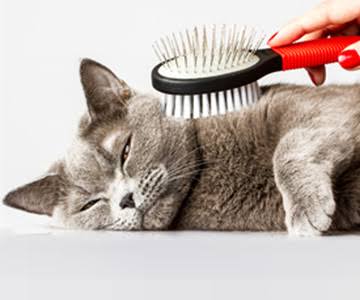

As cats grow older, their grooming habits can change. While young cats may spend hours keeping themselves clean, senior cats can sometimes find grooming more difficult due to reduced flexibility, lower activity levels, or age-related changes.
That’s why your older cat may need a little extra help keeping their coat clean, soft, and comfortable.
Regular grooming, good nutrition, and routine veterinary care can all contribute to healthy skin and a beautiful coat throughout your cat’s later years.
Why Does an Older Cat’s Coat Change?
As cats age, they may groom themselves less frequently or have difficulty reaching certain areas of their body.
You may notice:
- A coat that looks less shiny
- More loose or tangled fur
- Dry or flaky skin
- Mats developing more easily
- Changes in hair texture or colour
- Greying or whitening of the coat
These changes can be a normal part of ageing, but sudden or significant changes should be discussed with your veterinarian.
Help Your Senior Cat With Grooming
Regular gentle brushing can make a big difference.
Brushing helps remove loose hair, dirt, and debris while reducing the risk of tangles and mats. It can also give you an opportunity to check your cat’s skin for unusual lumps, irritation, parasites, or other changes.
Choose a brush suitable for your cat’s coat and keep grooming sessions gentle and relaxed.
Older cats may have more sensitive joints or areas of discomfort, so avoid pulling or brushing aggressively.
Make grooming a positive experience
Keep sessions short and comfortable. Choose a quiet place and reward your cat with affection or a favourite treat afterwards.
Grooming can become more than just coat care—it can be a wonderful bonding experience between you and your senior cat.
What About Mats and Tangles?
Long-haired and older cats can be particularly prone to mats.
Small tangles may sometimes be gently worked out with the appropriate grooming tool. However, never pull forcefully on a mat, as this can hurt your cat or damage the skin.
If your cat has severe matting, painful areas, or mats close to the skin, seek help from a professional groomer or veterinarian rather than attempting to cut them out yourself.
Nutrition Matters for a Healthy Coat
A healthy coat starts from within.
As cats age, their nutritional needs can change. Providing a complete and balanced diet appropriate for your cat’s life stage helps supply the protein, fats, vitamins, and minerals needed to support overall health, including healthy skin and coat.
At Purr-fect, our focus is on providing nutritious cat food that supports your feline companion through every stage of life.
Alongside good nutrition, make sure your senior cat always has access to fresh, clean drinking water.
Watch for Changes in Your Senior Cat
Don’t assume every change in your older cat’s coat is simply due to ageing.
A sudden dull coat, excessive shedding, flaky skin, persistent scratching, bald patches, or a cat that stops grooming itself may sometimes indicate an underlying health issue.
Senior cats benefit from regular veterinary check-ups, particularly when you notice changes in their appearance, appetite, behaviour, or grooming habits.
Give Your Senior Cat a Little Extra Care
Your cat may have spent years looking after their own grooming, but as they grow older, a little extra help can keep them comfortable and looking their best.
Brush gently. Feed well. Keep them hydrated. Watch for changes. And give them plenty of love.
At Purr-fect, we believe every cat deserves to enjoy their golden years with good nutrition, comfort, and plenty of care.
Because every stage of your cat’s life deserves to be Purr-fect.