
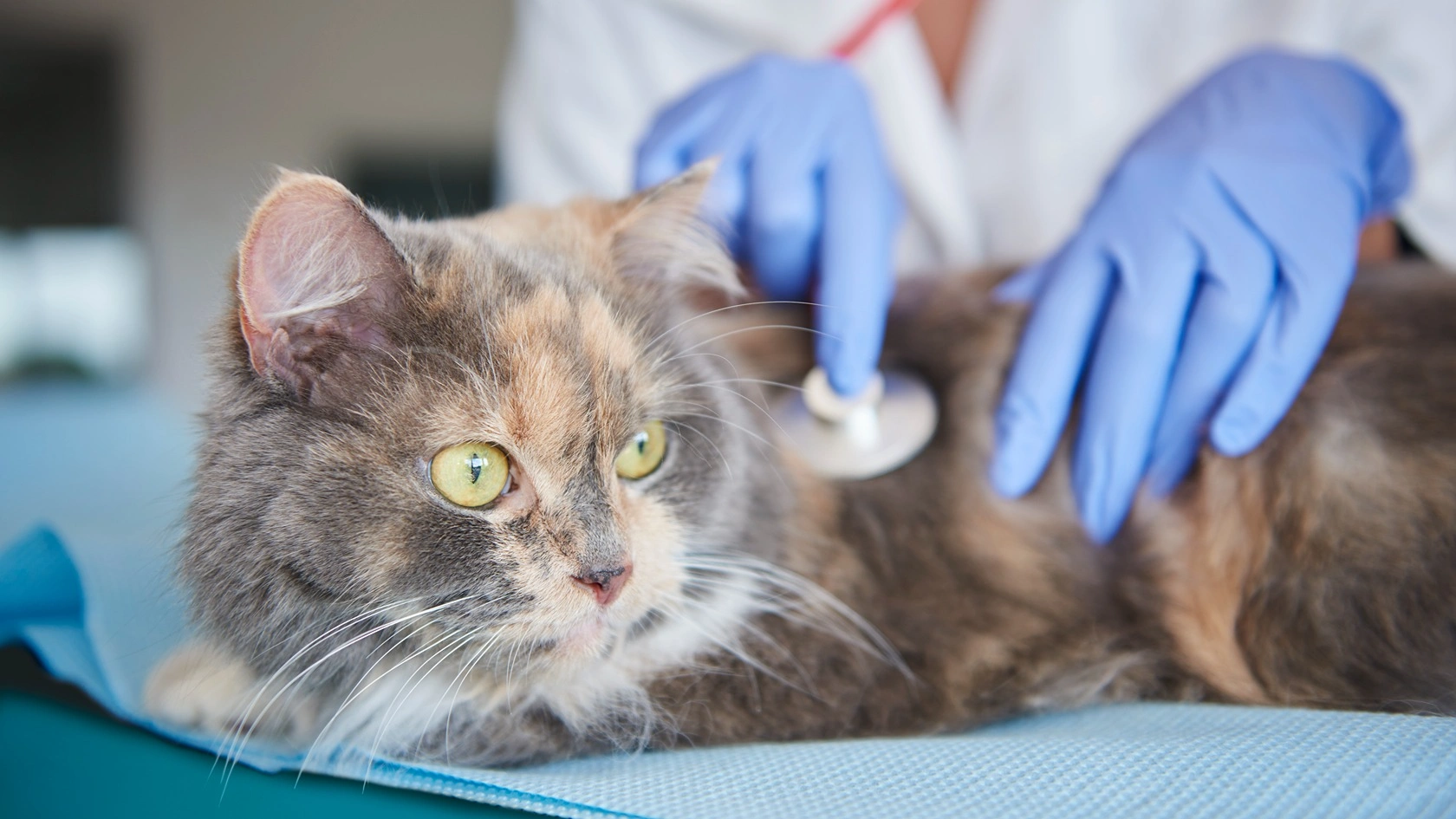

Vaccination is an important part of keeping your cat healthy and protecting them from serious infectious diseases. Whether your cat lives entirely indoors or enjoys exploring outside, vaccinations can help reduce the risk of several potentially dangerous illnesses.
A good vaccination programme should be based on your cat’s age, lifestyle, health, environment, and risk of exposure. Your veterinarian can recommend the most appropriate schedule for your cat. (wsava.org)
Why Are Cat Vaccinations Important?
Vaccines help prepare your cat’s immune system to recognise and respond to specific infectious diseases.
Vaccination can help:
- Protect cats against serious infectious diseases
- Reduce the severity of some infections
- Protect vulnerable kittens
- Reduce the spread of infectious diseases between cats
- Provide protection against diseases that can also affect people, such as rabies
Even indoor cats may still benefit from vaccination because exposure can occur through contact with other animals, veterinary visits, boarding, or unexpected escapes.
Core Vaccines for Cats
The core vaccines recommended for cats generally protect against:
Feline Panleukopenia Virus
Panleukopenia is a highly contagious and potentially severe viral disease, particularly dangerous for kittens.
Feline Herpesvirus
Feline herpesvirus can cause respiratory and eye-related disease, including sneezing and nasal or ocular discharge.
Feline Calicivirus
Calicivirus can cause respiratory and oral disease and is one of the important infections targeted by core feline vaccination.
These three are commonly combined in a FVRCP vaccine, sometimes referred to as a combination or “tricat” vaccine depending on the product and country.
Rabies
Rabies is a serious and fatal viral disease that can affect mammals, including cats and people. Where rabies is present, vaccination is an important part of responsible pet ownership, and local regulations should always be followed. (wsava.org)
Feline Leukaemia Virus (FeLV)
FeLV vaccination may be recommended depending on your cat’s age and risk of exposure.
The 2024 WSAVA guidelines recommend FeLV vaccination for young cats in areas where FeLV is prevalent and for cats with continuing exposure risk, such as those with regular outdoor access. Cats should be tested for FeLV before vaccination. (wsava.org)
When Should Kittens Be Vaccinated?
Kittens receive protection from their mother’s antibodies during their early weeks, but this protection gradually decreases.
Core kitten vaccination generally begins at around 6–8 weeks of age, with additional doses given at intervals of approximately 3–4 weeks until at least 16 weeks of age, depending on the vaccine and veterinary protocol. (wsava.org)
A simplified example is:
6–8 weeks: First core vaccination
10–12 weeks: Follow-up vaccination
14–16 weeks: Further core vaccination as recommended
Around 1 year: Follow-up/booster according to the veterinarian and vaccine used
The exact schedule can vary, so your veterinarian should determine the final vaccination programme for your kitten.
Do Adult Cats Need Booster Vaccinations?
Yes, but not necessarily every vaccine every year.
Booster recommendations depend on the vaccine used, the duration of immunity, your cat’s lifestyle, local disease risks, and veterinary recommendations. Some vaccines may be given at intervals of several years in lower-risk cats, while cats with greater exposure risks may require more frequent protection. (wsava.org)
Your cat’s annual health check is also an excellent opportunity to review their vaccination status.
Indoor Cats Need Vaccinations Too
A common misconception is that indoor cats don’t need vaccines.
While an indoor lifestyle may reduce exposure to certain infections, it doesn’t eliminate risk completely. Cats can still encounter infectious diseases through veterinary visits, contact with other animals, boarding, or accidental outdoor exposure.
Your veterinarian can assess whether your indoor cat requires core and additional vaccines based on their individual circumstances.
Preparing Your Cat for Vaccination
A little preparation can make a veterinary visit easier.
Before the appointment:
- Bring your cat’s previous vaccination records.
- Tell your veterinarian about any medications or health problems.
- Use a secure, comfortable carrier.
- Bring a familiar blanket or toy if it helps your cat feel relaxed.
- Avoid stressful handling before the appointment.
Your veterinarian may also perform a health examination before vaccination.
Caring for Your Cat After Vaccination
Most cats tolerate vaccinations well. Some may be quieter than usual, sleep more, have mild soreness at the injection site, or temporarily eat less.
Give your cat a comfortable, quiet place to rest and make sure fresh water and food are available.
However, contact your veterinarian if you notice severe or unusual reactions such as difficulty breathing, collapse, severe vomiting, seizures, or significant swelling.
Keep Your Cat’s Vaccination Records Up to Date
Keep a record of every vaccination your cat receives, including the date and vaccine administered.
This information can be useful when:
- Visiting a new veterinarian
- Boarding your cat
- Travelling
- Introducing another pet
- Reviewing your cat’s preventive healthcare programme
Give Your Cat the Best Start
Vaccination is one part of responsible cat care. A healthy lifestyle also includes nutritious food, fresh water, regular play, parasite prevention, dental care, routine veterinary examinations, and plenty of love.
At Purr-fect, we believe every cat deserves the right foundation for a healthy and happy life.
Good nutrition. Preventive care. Plenty of love. A healthier, happier Purr-fect cat.
Important: Vaccination schedules vary according to the vaccine product, local regulations, disease prevalence, and your cat’s individual risk. Always consult your veterinarian for a vaccination programme specifically designed for your cat.